
The Impact of Automated Trading on Financial Markets
Crypto Market Security and Ethics
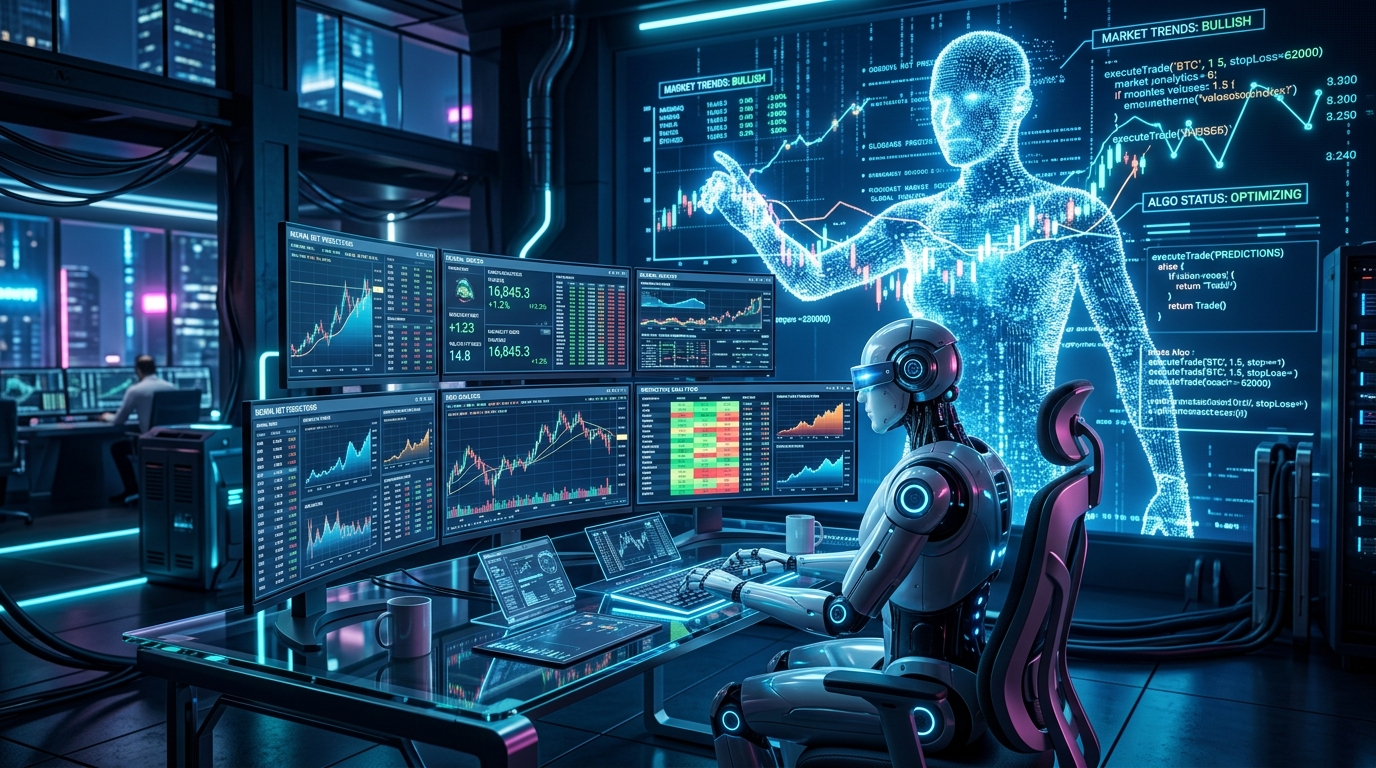
वित्तीय बाजारों में स्वचालन व्यापार के संचालन के तरीके को नाटकीय रूप से बदल रहा है। एल्गोरिदमिक ट्रेडिंग की जड़ों से लेकर जटिल मशीन-लर्निंग मॉडलों के विकास तक, स्वचालित व्यापार प्रणाली संस्थागत और खुदरा व्यापारियों के लिए आवश्यक बन गई हैं। इस लेख में, हम देखेंगे कि स्वचालित व्यापार कैसे वित्तीय बाजारों को बदल रहा है, इसकी प्रमुख तकनीकें, रणनीतियाँ, लाभ, चुनौतियाँ, और इस क्रांति के चारों ओर नैतिक विचार क्या हैं।
स्वचालित व्यापार का परिचय
स्वचालित व्यापार का तात्पर्य कंप्यूटर प्रणालियों के उपयोग से है जो पूर्व-प्रोग्राम किए गए एल्गोरिदम के आधार पर मानव हस्तक्षेप के बिना व्यापार निष्पादित करती हैं। ये प्रणालियाँ वास्तविक समय में बाजार डेटा का विश्लेषण करती हैं और उस गति और सटीकता के साथ निर्णय लेती हैं जिसे मानव व्यापारी मेल नहीं खा सकते। स्वचालित व्यापार का इतिहास 1970 के दशक के अंत से शुरू होता है, जब सरल नियम-आधारित प्रणालियाँ थीं, जो अब कृत्रिम बुद्धिमत्ता (एआई) और मशीन लर्निंग को शामिल करने वाले जटिल प्लेटफार्मों में विकसित हो गई हैं।
स्वचालित व्यापार में प्रौद्योगिकी की भूमिका
Technological advancements have significantly propelled the evolution of automated trading in India. With machine learning and AI, these trading systems can continually refine their strategies by recognizing market trends and enhancing decision-making processes. High-frequency trading (HFT) technologies have transformed the landscape by executing numerous trades within seconds, seizing tiny price variations for profit. The advent of cloud computing, extensive data analysis, and robust network systems has empowered traders to utilize these algorithms on a global scale, allowing them to engage with financial markets around the clock with negligible delays.
Understanding the Functionality of Automated Trading Systems
Automated trading systems operate on algorithms—comprehensive sets of rules programmed using various coding languages. These systems can vary from basic strategies that trigger trades based on specific price points to sophisticated AI-driven models that analyze past data to forecast future price trends.
Different Categories of Automated Trading Systems Include:
- Criteria-Based Systems: Carry out trades according to established, specific conditions.
- AI-समर्थित सिस्टम: विशाल डेटा सेट का विश्लेषण करके लगातार सीखते और अनुकूलित होते हैं, समय के साथ सुधार करते हैं।
- संकर प्रणाली: बेहतर प्रदर्शन के लिए नियम-आधारित रणनीतियों और मशीन लर्निंग को मिलाते हैं।
- blog_three_question_4.subtitle_4: blog_three_question_4.desc_4
स्वचालित व्यापार रणनीतियों के प्रकार
प्रत्येक रणनीति उन्नत एल्गोरिदम पर निर्भर करती है और सावधानीपूर्वक कैलिब्रेशन और जोखिम प्रबंधन की आवश्यकता होती है।
Automated trading employs various strategies tailored to market dynamics and specific objectives. The most prominent include:
- Arbitrage Techniques: These capitalize on discrepancies in prices between different exchanges or markets.
- Momentum Trading Approaches: These strategies aim to ride the wave of market trends, purchasing as prices increase and liquidating when they decrease.
- Mean Reversion Approaches: Leverage the expectation that asset prices will return to their average levels following notable fluctuations.
- Strategies for Market Making: Earn from the difference between buying and selling prices by executing simultaneous orders in the market.
Advantages of Automated Trading Systems
Monvalute: Your Gateway to Crypto Trading In today’s digital age, crypto trading has emerged as a revolutionary way to invest and grow your wealth. With Monvalute, you can easily dive into the world of cryptocurrencies, taking advantage of market fluctuations to maximize your returns. Whether you're a seasoned trader or just starting out, our user-friendly platform offers real-time data, advanced charting tools, and a variety of cryptocurrencies to choose from. One of the biggest benefits of trading with Monvalute is the potential for high returns. Cryptocurrencies have shown remarkable growth, and being able to trade them means you can capitalize on price changes quickly. Plus, with low transaction fees and high liquidity, you can execute trades without worrying about hefty costs eating into your profits. Additionally, our educational resources are tailored for Indian traders, helping you understand market trends and make informed decisions. Join a community of like-minded individuals who are exploring the exciting world of crypto. Start trading with Monvalute today and unlock new financial opportunities!
Automated trading presents numerous benefits compared to traditional methods. Key advantages include:
- गति और दक्षता: कंप्यूटर मानवों की तुलना में तेजी से व्यापार कर सकते हैं, अवसरों का लाभ उठाते हुए जो जल्द ही समाप्त हो सकते हैं।
- मानव त्रुटियों में कमी: स्वचालित प्रणाली भावनात्मक निर्णय लेने और संज्ञानात्मक पूर्वाग्रहों को समाप्त करती है, जिससे परिणाम अधिक स्थिर होते हैं।
- 24/7 बाजार पहुंच: ये प्रणालियाँ निरंतर कार्य कर सकती हैं, यह सुनिश्चित करते हुए कि व्यापारी कभी भी बाजार के अवसरों को चूकें नहीं।
- Backtesting and Refinement: Traders can simulate their strategies using past market data, enhancing effectiveness while reducing potential losses.
Dangers and Hurdles of Automated Trading
Monvalute: Your Gateway to Crypto Trading Success In today's fast-paced digital economy, trading cryptocurrencies can be a game-changer for your financial future. With Monvalute, you can dive into the exciting world of crypto trading right from the comfort of your home. Imagine having access to a wide array of cryptocurrencies, including Bitcoin, Ethereum, and many altcoins, all at your fingertips. The beauty of crypto trading is its potential for high returns. Unlike traditional investments, the crypto market operates 24/7, allowing you to capitalize on price fluctuations at any time. Whether you're a seasoned trader or just starting out, Monvalute offers user-friendly tools and resources that make trading accessible for everyone. Moreover, with the rise of mobile applications, you can trade on the go. Stay updated with real-time market data and execute trades instantly, no matter where you are in India. Plus, our robust security measures ensure that your investments are safe, giving you peace of mind as you explore this dynamic market. Join thousands of satisfied traders who have taken advantage of the crypto revolution with Monvalute. It's time to unlock your trading potential and embrace the future of finance!
Automated trading brings numerous advantages, yet it carries inherent risks. Major challenges include:
- Risks from Market Fluctuations: Automated trading systems can amplify market fluctuations, particularly during unexpected events, causing rapid sell-offs that can escalate uncontrollably.
- Market Meltdowns: A notable incident in 2010 saw a sudden plunge in the market due to algorithmic triggers, erasing vast amounts of wealth in mere moments.
- Systemic Glitches: Technical issues, such as software bugs or connectivity failures, can lead to substantial financial repercussions for traders and investors alike.
- blog_three_question_7.subtitle_4: blog_three_question_7.desc_4
How Automated Trading Shapes the Future of Financial Markets
स्वचालित व्यापार ने बाजार की तरलता और दक्षता को महत्वपूर्ण रूप से बढ़ा दिया है। तेजी से और अधिक बार व्यापार करने की अनुमति देकर, विभिन्न संपत्ति वर्गों में तरलता में सुधार हुआ है। हालांकि, मानव व्यापारियों की भूमिका घटती जा रही है, क्योंकि मशीनें उन कार्यों को संभालने लगी हैं जो पहले मैन्युअल रूप से किए जाते थे, जिससे वित्त में नौकरी के बाजार का स्वरूप बदल रहा है।
विभिन्न संपत्ति वर्गों में स्वचालित व्यापार
स्वचालित व्यापार प्रणाली बहुपरकार की होती हैं और विभिन्न बाजारों में कार्य करती हैं, जिनमें शामिल हैं:
- शेयर: शेयर व्यापार एल्गोरिदम सबसे विकसित में से एक हैं, जिन्हें हेज फंड और व्यक्तिगत व्यापारी दोनों द्वारा उपयोग किया जाता है।
- विदेशी मुद्रा: Automated trading systems have revolutionized the foreign exchange landscape in India, enabling swift reactions to global economic events and news updates.
- Commodities: From precious metals to energy resources, the commodities sector thrives on automated trading techniques that exploit market trends and price discrepancies.
- Cryptocurrencies: The dynamic world of cryptocurrencies, characterized by its constant fluctuations and round-the-clock trading, is ideally suited for automated trading systems that can swiftly adapt to market shifts.
Navigating Regulatory Hurdles
स्वचालित व्यापार का नियमन बाजार की स्थिरता सुनिश्चित करने के लिए महत्वपूर्ण है। नियामक संस्थाएँ जैसे SEBI और RBI नियम लागू करते हैं ताकि अधिकतम जोखिमों को रोका जा सके और पारदर्शिता सुनिश्चित हो सके। हालांकि, AI-आधारित प्रणालियों की बढ़ती जटिलता के साथ, नियामकों के लिए प्रौद्योगिकी के साथ तालमेल बनाए रखना चुनौतीपूर्ण हो रहा है। नैतिक चिंताएँ भी उठती हैं, विशेषकर एल्गोरिदम द्वारा बाजार में हेरफेर को रोकने के संदर्भ में।
संस्थागत निवेशक स्वचालित व्यापार का लाभ कैसे उठा रहे हैं
संस्थागत निवेशक, विशेष रूप से हेज फंड और स्वामित्व व्यापार फर्में, प्रतिस्पर्धात्मक लाभ प्राप्त करने के लिए स्वचालित व्यापार प्रणालियों पर निर्भर करते हैं। मात्रात्मक व्यापारी, या 'क्वांट', जटिल मॉडल विकसित करते हैं जो बड़े डेटा, AI, और मशीन लर्निंग को एकीकृत करते हैं ताकि पारंपरिक व्यापार विधियों को पीछे छोड़ा जा सके। कुछ हेज फंड अपने सफलता का अधिकांश श्रेय स्वचालित प्रणालियों को देते हैं, जैसे कि Renaissance Technologies का Medallion Fund।
खुदरा निवेशकों के लिए स्वचालित व्यापार
हाल के विकास ने खुदरा निवेशकों के लिए स्वचालित व्यापार को लोकतांत्रिक बना दिया है। प्लेटफ़ॉर्म जैसे MetaTrader और TradeStation व्यापार बॉट्स तक आसान पहुँच प्रदान करते हैं, जबकि सामाजिक व्यापार प्लेटफ़ॉर्म उपयोगकर्ताओं को सफल व्यापारियों की रणनीतियों की नकल करने की अनुमति देते हैं। खुदरा व्यापारी अपनी रणनीतियों को स्वचालित करने के लिए कस्टम ट्रेडिंग बॉट खरीद सकते हैं या विकसित कर सकते हैं।
स्वचालित व्यापार का भविष्य
As artificial intelligence and machine learning advance, the complexity of automated trading platforms will also increase. Emerging technologies like quantum computing, although still developing, promise to transform trading by analyzing vast datasets at unprecedented speeds. In the coming years, automation is projected to take a more prominent role in financial markets, significantly diminishing the reliance on human traders.
Ethical Challenges in Automated Trading
Ensuring transparency is essential for maintaining fairness in automated trading practices. It is crucial that algorithms are crafted to avert market manipulation and guarantee equal access to trading opportunities. The ongoing task of reconciling the advantages of automation with ethical standards in market behavior poses significant challenges for both regulators and participants.
Insights from Automated Trading Case Studies
- 2010 Flash Crash: This incident underscored the inherent risks associated with automated trading systems, where algorithms instigated widespread sell-offs, leading to a rapid decline in market values within a matter of minutes.
- Success Narratives: Investment firms such as Zerodha and Upstox have harnessed technology to consistently surpass market expectations, establishing new standards in the financial realm.
Common Inquiries (FAQs)
- 1. What is algorithmic trading? Algorithmic trading involves utilizing computer programs to execute trades automatically, eliminating the need for manual input.
- 2. What sets high-frequency trading apart from traditional trading? High-frequency trading is the art of executing numerous trades in mere seconds, seizing opportunities from minute fluctuations in prices.
- 3. Is automated trading devoid of risks? Not at all; although automated trading minimizes human errors, it remains susceptible to risks like technical glitches and unpredictable market shifts.
- 4. Can individual investors engage in automated trading? Absolutely, various platforms empower individual investors to design or adopt automated trading approaches tailored to their strategies.
- 5. How do authorities oversee automated trading activities? Regulatory authorities employ a variety of oversight mechanisms, including advanced monitoring systems and established regulatory frameworks.
- 6. Which technologies are vital for automated trading systems? Essential technologies encompass artificial intelligence, machine learning, cloud infrastructure, and high-speed connectivity.
Conclusion: The Transforming Dynamics of Financial Markets through Automation
Automated trading is reshaping financial landscapes, providing enhanced efficiency, quicker trade executions, and more intricate strategies. With the continuous advancement of AI, machine learning, and quantum technologies, the future of automated trading will hinge on its capacity to innovate while ensuring market integrity.